The Best Communities Grow More Than Buildings
A community is not measured only by businesses, tourism, growth, or new construction.
It is measured by whether children feel safe there.
Whether families feel supported there.
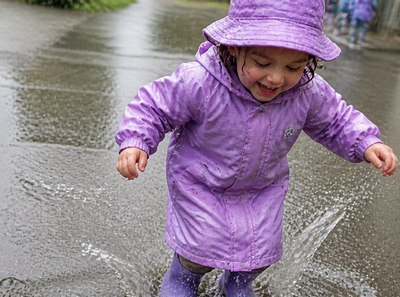
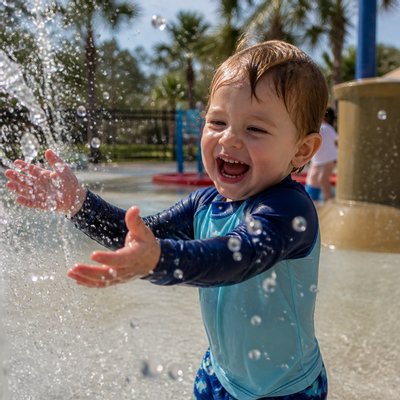
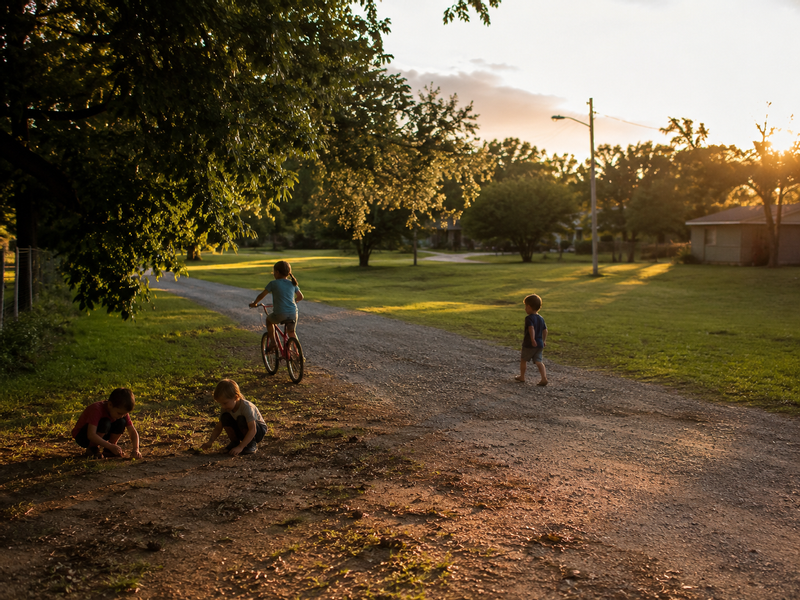
Whether there are still places where children can laugh loudly, ride bikes until sunset, splash in water during summer, get dirt on their shoes, and simply exist as children without the world demanding they grow up too fast.
The strongest communities are not always the biggest ones.
Sometimes they are the places where people still wave from passing vehicles.
Where teachers know children by name.
Where neighbors still show up when someone needs help.
Where community events are less about perfection and more about connection.
In a world that often feels rushed, disconnected, and increasingly digital, places that still make room for childhood matter deeply.
Children experience communities differently than adults do.
Adults notice infrastructure, politics, budgets, and development.
Children notice entirely different things.
They notice whether people smile at them.
Whether there is somewhere safe to play.
Whether adults seem stressed or calm.
Whether they feel welcomed, included, and seen.
Long after children grow up, they may not remember every detail of their childhood.
But they remember feelings.
They remember the splash pad on hot summer days.
The park where they made friends.
The festivals.
The library story times.
The classrooms where they felt safe.
The adults who took time to listen to them.
The small moments that quietly told them:
“You belong here.”
That is why family-friendly communities matter so much.
Because communities help raise children too.
As someone who works closely with children and families, I have seen firsthand how much environments shape people. Children thrive where they feel secure, connected, and supported. Not just inside homes and classrooms, but within communities as a whole.
That is one of the reasons spaces, events, and opportunities for families matter.
Not because every event has to be extravagant.
Not because every town has to become a major tourist destination.
But because children deserve communities that feel alive.
Places where memories are made.
Places where families can gather.
Places where people still believe community is something worth investing in.
Small towns and rural communities may not always look impressive from the outside.
But many of them still hold something the world is quietly losing:
connection.
And that connection matters.
The best communities do not simply grow buildings.
They grow people.
They grow families.
They grow belonging.
They grow childhood.
And those things are worth protecting.